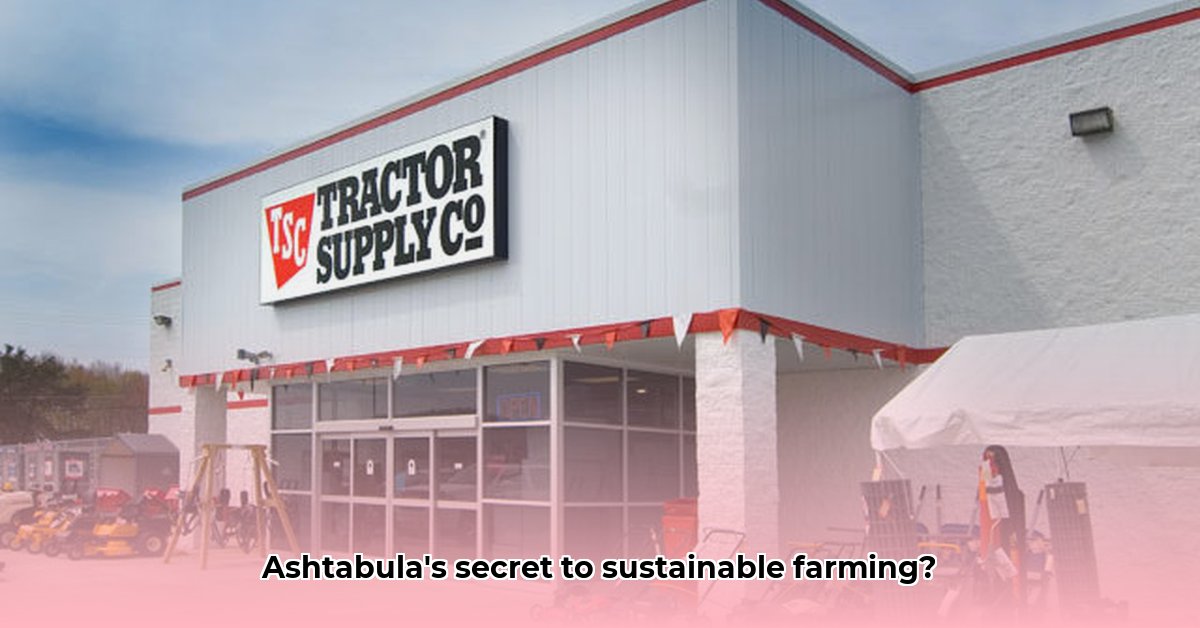
Tractor Supply Ashtabula, Ohio: A Cornerstone of Local Agriculture?
Tractor Supply Company (TSC) in Ashtabula, Ohio, plays a significant role in the local agricultural landscape. But does its influence extend to fostering sustainable farming practices? This analysis explores TSC's contribution, weighing its positive impacts against its limitations and outlining potential avenues for improvement. The accessibility of farming supplies is crucial; but is TSC effectively supporting the transition towards environmentally responsible agriculture? For comparison, see how another TSC operates here.
TSC's Ashtabula location offers a wide array of products vital to both large-scale operations and smaller home gardens. Its convenient location minimizes travel time and fuel consumption, a practical advantage for farmers. The store stocks seeds, fertilizers, animal feed, tools, and various other necessities, providing a one-stop shop for many agricultural needs. This accessibility is undoubtedly beneficial to the community. However, the question remains: how effectively does TSC promote sustainable practices?
Assessing Tractor Supply's Role in Sustainable Agriculture
The impact of TSC on sustainable agriculture in Ashtabula is multifaceted. While the store offers products capable of supporting sustainable farming, the extent to which it actively promotes these practices needs closer examination. A thorough analysis reveals both positive contributions and areas requiring improvement.
Positive Aspects:
- Accessibility and Convenience: TSC's convenient location significantly reduces farmers' travel time and fuel consumption, supporting economic and environmental efficiency. This reduces the carbon footprint associated with acquiring essential supplies.
- Product Variety: The wide array of products caters to diverse farming operations, from small-scale home gardens to larger commercial farms. This comprehensive selection can support a variety of farming styles and approaches.
- Potential for Sustainable Practices: Many of TSC's products – organic seeds, water-efficient irrigation tools, and natural pest control solutions – have the potential to facilitate sustainable farming. The capacity exists for positive environmental impact.
Areas Needing Improvement:
- Lack of Clear Labeling: The absence of clear, consistent labeling on sustainable products makes it difficult for consumers to identify and choose environmentally friendly options. This lack of transparency hinders informed decision-making.
- Limited Promotion of Sustainable Products: TSC does not prominently showcase its sustainable product offerings, potentially limiting their adoption. A more proactive approach is needed to guide consumers toward eco-friendly choices.
- Supply Chain Transparency: The lack of transparency regarding the origin and production methods of many TSC products makes it challenging to assess their overall environmental impact. Open communication about sourcing would greatly enhance consumer trust.
Improving TSC's Contribution to Sustainable Farming
Several steps can elevate TSC's role in supporting sustainable agriculture in Ashtabula:
Enhanced Product Labeling: Clearly label all products meeting specific sustainability standards (e.g., USDA Organic, Fair Trade), empowering consumers to make informed choices. This increased transparency is essential for consumer trust.
Dedicated Sustainable Product Section: Create a dedicated section showcasing eco-friendly products, raising awareness and making them easily accessible to customers. This focused approach can significantly improve the visibility of sustainable options.
Improved Supply Chain Transparency: Publicly share information about the origin and production methods of products, allowing customers to evaluate the environmental impact of their purchases. This is critical for building trust and promoting responsible consumption.
Educational Initiatives: Offer workshops, online resources, or in-store educational materials about sustainable farming practices, empowering customers to make better decisions. This proactive approach demonstrates commitment to positive change.
Customer Feedback Mechanisms: Actively solicit and respond to customer feedback on sustainability efforts, fostering continuous improvement and demonstrating responsiveness to community concerns. This iterative process is crucial for ensuring effectiveness.
Conclusion: A Path Towards a Greener Future
Tractor Supply Ashtabula possesses the potential to significantly contribute to sustainable agriculture in the region. By implementing the suggested improvements, TSC can enhance its positive impact on the environment and support the transition to more environmentally responsible farming practices. The success of this endeavor will depend on TSC's commitment to transparency, education, and active engagement with the community it serves. The future of sustainable agriculture in Ashtabula is partially dependent on the choices made by businesses like Tractor Supply.